
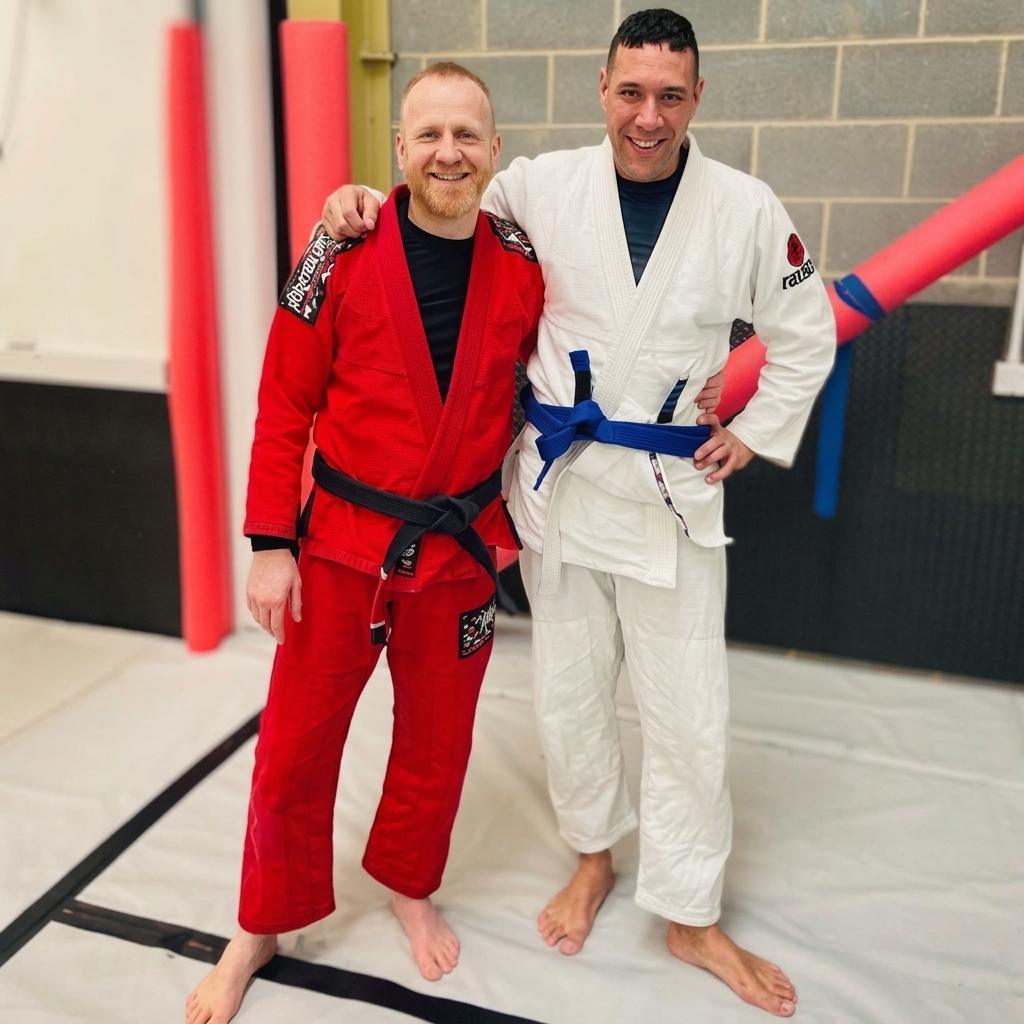
The cloth of a judo gi decides how the jacket holds up under pulling, how it feels after fifty washes, and whether the sleeves still reach your wrists after the first laundry cycle. Two gis that look identical on a product page can perform very differently once they hit the mat.
That is why choosing judo gi fabric is about more than picking a weight. A good gi is built from different cloths in different zones: a textured Sashiko (rice-grain) weave on the upper jacket for grip, a lighter weave on the lower jacket for mobility, a stiff twill-wrapped collar, and tough cotton twill or ripstop trousers with reinforced knees.
This guide covers the four checks that matter most before you approve a sample or place a bulk order:
- Fabric weight (GSM): how heavy is right for your athletes
- Sashiko weave: single vs. double weave, direction, and construction quality
- Shrinkage control: how to confirm the fit after washing
- Consistent OEM sizing: how grading and tolerances keep every gi uniform across an order
Whether you are a beginner choosing a first gi, a competitor chasing maximum grip resistance, a club or academy outfitting a full squad, or a distributor or brand developing a private-label line, the specifications below will help you compare suppliers with confidence.
General OEM construction targets are not the same as official IJF approval or certification. We reference the IJF’s March 2026 manufacturing regulations throughout this guide as a technical benchmark, but meeting those figures alone does not make a judogi IJF-approved.
Judo Gi Fabric Basics
A judo gi is built from three distinct fabric zones: the upper jacket, the lower jacket, and the trousers. The collar adds a fourth component within the jacket. Each zone faces different stresses on the mat, so each one is engineered with a different weave, weight, and finish.
Judo gi fabric by garment section
| Section | Fabric Type | Purpose |
| Upper Jacket | Sashiko (rice-grain) weave, single or double | Grip, structure, tensile strength |
| Lower Jacket | Lighter plain or twill weave, often with diamond-pattern Sashiko | Mobility, reduced bulk |
| Collar | Thick, stiff twill-wrapped cotton padding | Resists tearing under lapel grips and chokes |
| Trousers | Cotton twill or ripstop (approx. 8-12 oz) with knee reinforcement | Flexibility, floor work, sliding durability |
GSM in Judo Gi’s Fabric
GSM stands for grams per square meter. It measures how much a square meter of fabric weighs, and it is the standard way to describe fabric weight. A gi listed at 750 GSM uses cloth that weighs 750 grams per square meter, while one listed at 400 GSM uses a much lighter cloth.
What Higher GSM Means?
A higher GSM generally produces a denser, more structured jacket. The fabric feels stiffer, resists stretching, and is harder for an opponent to grip and pull out of shape.
The Heaviest Gi is Not Automatically the Best
It is tempting to assume that more GSM always means a better gi. It does not. The heaviest fabric is not the right choice for every judo program. When choosing a weight, consider:
- Age: children and young athletes are usually better served by lighter, more comfortable cloth
- Training frequency: athletes who train daily and wash often may prefer a fabric that dries quickly
- Grip stress: competitors facing hard, repeated gripping need more density and tensile strength than recreational practitioners
- Price: heavier fabric costs more to produce and to ship, so the target budget matters
- Care routine: if gis are washed frequently or dried quickly between sessions, lighter fabrics are often more practical
GSM Guide by User Type
| Weight Class | Approx. GSM | Best For | Pros | Cons |
| Lightweight | 350-450 | Children, novices, daily training | Breathable, comfortable, fast drying | Less grip resistance, wears faster |
| Mid-weight | 450-650 | Regular club training | Balance of durability and comfort | Not the maximum grip resistance of heavyweight cloth |
| Heavyweight/IJF reference | 650-750 | Competitors, elite judo | Maximum tensile strength, stiff grip resistance | Heavier, slower drying |
IJF Reference for Competition Gis
For judogi intended for official IJF competitions, the March 2026 IJF Judogi Manufacturing Regulations specify that fabric weight is assessed after a new, unused jacket has been washed and dried. The specified range is 650-750 g/m², with a ±5% tolerance.
Treat these figures as a technical reference only. They do not indicate IJF approval or certification unless the product has completed the official certification process.
Single Weave vs. Double Weave vs. Sashiko
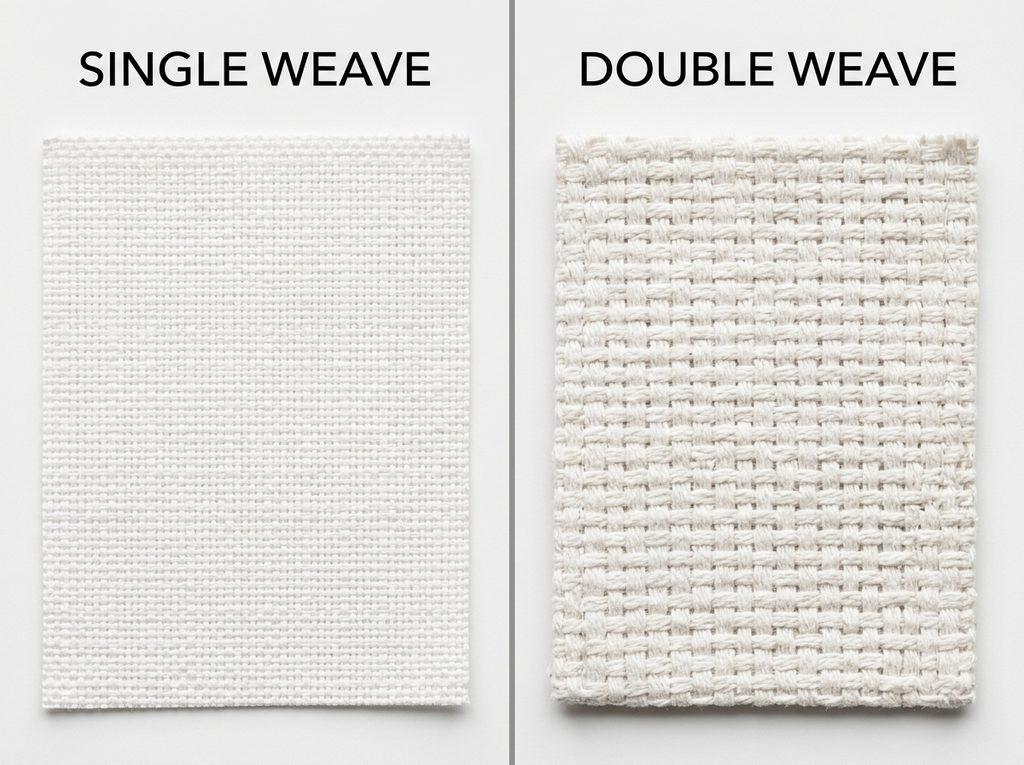
Buyers often see “single weave,” “double weave,” and “Sashiko” listed side by side as if they were three competing options. Sashiko describes the texture and pattern of the fabric, while single and double describe its thickness and density. Most judo jackets combine the two, for example a single-weave Sashiko jacket or a double-weave Sashiko jacket. Here is what each term means and how to choose between them.
Sashiko (Rice-Grain) Weave
Sashiko, often called rice-grain weave, is the textured fabric construction used on the upper part of a custom judo gi jacket. Its raised, rice-grain surface gives the cloth a firm hand feel and provides the friction and structure needed for repeated gripping and pulling. It is the reason a judo jacket feels so different from an ordinary cotton jacket.
Single Weave
Single weave is a lighter, thinner, traditional option. It dries quickly, feels comfortable in warm conditions, and is a popular choice for beginners and children. The trade-off is durability: single-weave jackets wear out faster, especially at the shoulders and collar, where gripping and pulling are concentrated.
Double Weave
Double weave has roughly twice the density of single weave. Traditionally it falls in the range of 750 g to 1 kg per square meter, which makes it heavy, stiff, and tough. That stiffness gives strong grip resistance, which is why double weave is favored in competitive judo. It is also slower to dry and heavier to wear, so it is not the best fit for every athlete or climate.
Single vs. Double Weave Comparison
| Feature | Single Weave | Double Weave |
| Weight | Light | Heavy (approx. 750 g-1 kg/m²) |
| Drying Speed | Fast | Slower |
| Grip Resistance | Moderate | High |
| Durability | Wears faster at shoulders and collar | Very durable |
| Best for | Beginners, kids, hot climates | Competitors, heavy training |
Sashiko Strength and Stitch Density
For judogi intended for official IJF competitions, the March 2026 IJF manufacturing regulation sets out two key benchmarks:
- Double Sashiko for the upper jacket, which must withstand a tensile force of 2,200 N
- 3-5 Sashiko stitches per inch after washing and drying
These figures are technical references only. They do not by themselves indicate IJF approval or certification.
Ready to Start Your Judo Gi Order
Request your bulk quote today and outfit your dojo with confidence.
QuoteCotton vs. Cotton-Blend Judo Gis
Fiber content is one of the first things to settle before approving a judo gi, because it affects how the jacket feels, how it handles sweat, how quickly it dries, and how much it changes in the wash. The two main options are 100% cotton and cotton blends, and neither is better in every situation.
100% Cotton Judo Gis
100% cotton is the traditional choice for judo. It has the classic feel many judoka expect, and it absorbs moisture well, which keeps the fabric comfortable against the skin during hard training.
The trade-offs are practical ones:
- Shrinkage: cotton is more prone to shrinking, so it needs effective shrinkage control.
- Drying time: cotton holds moisture, so it takes longer to dry.
Poly-Cotton and Cotton-Blend Judo Gis
Cotton-blend fabrics, often called poly-cotton, mix cotton with synthetic fibers. They dry faster and hold their dimensions more easily, which makes them appealing for frequent washing and for buyers who want fewer surprises after laundering. The main difference is hand feel: a blend may not feel quite like a traditional cotton gi, and some athletes notice this straight away.
IJF Manufacturing Reference
For judogi intended for official IJF competitions, the manufacturing regulation requires cotton or a cotton blend containing more than 70% cotton. Non-cotton components must remain below 30% and may include fibers such as rayon, nylon, or polyester.
Trouser and Collar Fabrics
The jacket gets most of the attention when buyers compare judo gis, but the trousers and collar decide a lot about durability and feel. Each has a different job and needs its own specification.
Trouser Fabric
Judo trousers are built from lighter, more flexible fabric than the jacket. The typical choice is cotton twill or ripstop in the range of roughly 8 to 12 oz. The lighter weight lets the athlete squat, kick, sit, and move across the mat without fighting stiff cloth, while the twill or ripstop weave keeps the fabric tough enough for constant friction.
Trousers take a different kind of punishment from the jacket. Instead of being gripped and pulled, they spend their time sliding across the mat, catching on knees, and absorbing sudden tugs during floor work. Two areas need particular attention; Knees and crotch.
Collar Fabric and Construction
The collar is one of the hardest-working parts of the gi. It takes repeated lapel grips and choke attempts, so it is made from thick, stiff, twill-wrapped cotton padding designed to resist tearing under heavy load.
IJF Reference for the Collar
For judogi intended for official IJF competitions, the March 2026 IJF manufacturing regulation specifies:
- A collar width of 4 cm
- A maximum collar thickness of 1 cm
- Four rows of stitching
- A collar-hardness check carried out after washing and drying
Shrinkage: Confirming Post-Wash Fit
A judo gi can look perfect on the day it arrives and fit very differently after a few washes. Shrinkage is one of the most common causes of complaints after delivery, and it is far easier to control before bulk production than to fix afterward.
Pre-Shrunk Does Not Mean Zero Shrinkage
Pre-shrunk or pre-washed fabric can reduce dimensional change, and it is a sensible step for cotton gis. But it should not be read as a promise that the gi will never shrink. Pre-shrinking reduces dimensional change; it does not eliminate it.
The amount of shrinkage that remains depends on several factors:
- Fiber content: 100% cotton generally shrinks more than a cotton blend
- Finishing: the treatments applied to the fabric affect its stability
- Wash temperature: hotter water increases shrinkage
- Drying method: tumble drying on high heat typically causes more shrinkage than air drying
- Construction: weave, stitching, and pattern design all influence how the finished garment behaves
How to Run a Wash Test Before Bulk Production
A simple wash test on the approved sample shows you what will happen to the bulk order. Follow these steps:
- Measure the approved sample. Record the key measurements of the jacket and trousers before washing.
- Wash and dry using the stated method. Use the wash temperature and drying method you expect customers to use, and write both down.
- Re-measure. Take the same measurements, in the same places, using the same method.
- Compare to spec and adjust if needed. If the post-wash fit is not acceptable, change the fabric treatment or adjust the pattern before cutting the bulk order.
IJF March 2026 Reference Summary
| Component | Reference |
| Fabric Weight | 650–750 g/m² (±5%), measured after wash and dry |
| Fibre | Cotton or blend with over 70% cotton |
| Upper Jacket | Double Sashiko, 2,200 N tensile |
| Lower Jacket | Light plain or twill with diamond Sashiko |
| Stitch Density | 3–5 per inch after wash |
| Collar | 4 cm width, max 1 cm thick, 4 rows stitching |
| Trousers and Collar Fabric | Twill |
Elite Sport Uniform Production Process and Terms
- Enquiry and specification. You send your fabric weight, weave, size range, logo requirements, quantity, and intended use (see the quote checklist at the end of this guide).
- Free digital mockup. We prepare a digital mockup showing your design, colors, logos, and label placement, at no charge, within 24 hours.
- Physical sample. Once the mockup is approved, we make a physical sample so you can check the fabric feel, fit, construction, and reinforcement. Sample turnaround is 5-7 days, and the sample cost is credited against your bulk order.
- Wash test and approval. You wash-test and measure the sample, then approve the sample and final specification sheet before bulk cutting begins.
- Bulk production. Cutting, printing or embroidery, sewing, quality control, and packing run to the agreed specification.
- Shipping. Finished orders are dispatched by international courier.
Order Timeline
| Stage | Timing |
| Digital mockup | Free, within 24 hours |
| Sample | 5-7 days (credited on bulk order) |
| Bulk production | 15-25 business days after design approval |
| Express production | 7-12 business days |
| Courier delivery | 5-10 days via DHL, FedEx, or UPS |
Our Promise: Free Remake Within 3 Days
If any garment arrives with a manufacturing defect, Elite Sport Uniform remakes it free of charge, and the remake goes into production within 3 days of your report. Replacement pieces are shipped to you at no charge.
There is nothing to register and nothing to pay. The guarantee applies to every order we manufacture.
Frequently Asked Questions
There is no single figure, because shrinkage depends on fiber content, finishing, wash temperature, drying method, and construction. 100% cotton generally shrinks more than a blend, and hot washing and high-heat tumble drying increase it. Pre-shrunk or pre-washed fabric reduces dimensional change but does not mean zero shrinkage. The best approach is to wash-test the approved sample and calculate: Shrinkage (%) = [(before − after) / before] × 100.
The March 2026 IJF Judogi Manufacturing Regulations specify a fabric weight of 650-750 g/m² with a ±5% tolerance, assessed after a new, unused jacket has been washed and dried. Treat this as a technical reference only. It does not indicate IJF approval or certification unless the product has completed the official certification process.
For judogi intended for official IJF competitions, the March 2026 regulation specifies a collar width of 4 cm, a maximum thickness of 1 cm, and four rows of stitching, with a collar-hardness check after washing and drying.
Yes. If any garment arrives with a manufacturing defect, Elite Sport Uniform remakes it free of charge, and the remake goes into production within 3 days of your report. Replacement pieces are shipped at no charge. Send photos and your order reference by WhatsApp or email within 7 days of delivery.
A printing mistake against the approved mockup or squad list, such as a misprint, ghosting, a wrong logo, a wrong name or number, or a color clearly off the approved mockup, is a manufacturing defect. Photograph the fault, send it with your order reference within 7 days, and the affected pieces are remade free, with the remake in production within 3 days.
We do. Replacement pieces for a confirmed manufacturing defect are shipped to you at no charge, and there is no charge for the remake itself. The dispatch date is confirmed when the claim is confirmed, within 24 hours during business hours.