Custom Rugby Uniforms for Teams
Rugby is one of the most physically demanding contact sports on the field, and the kit a team wears has to hold up to every scrum, tackle, and sprint across a full season. A custom rugby shirt is far more than a uniform requirement — it’s a blend of team identity, player performance, and pride that shows up the moment a squad steps onto the pitch. Whether you’re outfitting a school program, a club side, or a competitive travel squad, getting the fabric, fit, and design right can make a real difference to how your team looks and plays.
This guide covers everything a club manager, coach, or kit committee needs to know before ordering custom rugby kits — from fabric and construction to design, sizing, manufacturers, and the ordering process itself.
Key Features of Custom Rugby Jerseys
A few features separate a jersey that holds up all season from one that doesn’t.
- Material matters most: breathable, moisture-wicking polyester blends keep players comfortable and flexible through a full match, where cotton or heavier fabrics tend to fall short.
- Fit comes next — an athletic or slim cut reduces how easily an opponent can grab the fabric during a tackle, without restricting the range of motion players need.
- Design and customisation is where full-sublimation printing earns its place, since it reproduces intricate logos, gradients, and unlimited colours without adding weight to the garment.
- Durability depends on reinforced stitching and quality fabric that can withstand the wear and tear of contact play week after week.
- And sizing has to cover a full range across men’s, women’s, and youth builds, so every player on the roster gets a proper fit regardless of age or body type.
Why Custom Rugby Uniforms Matter
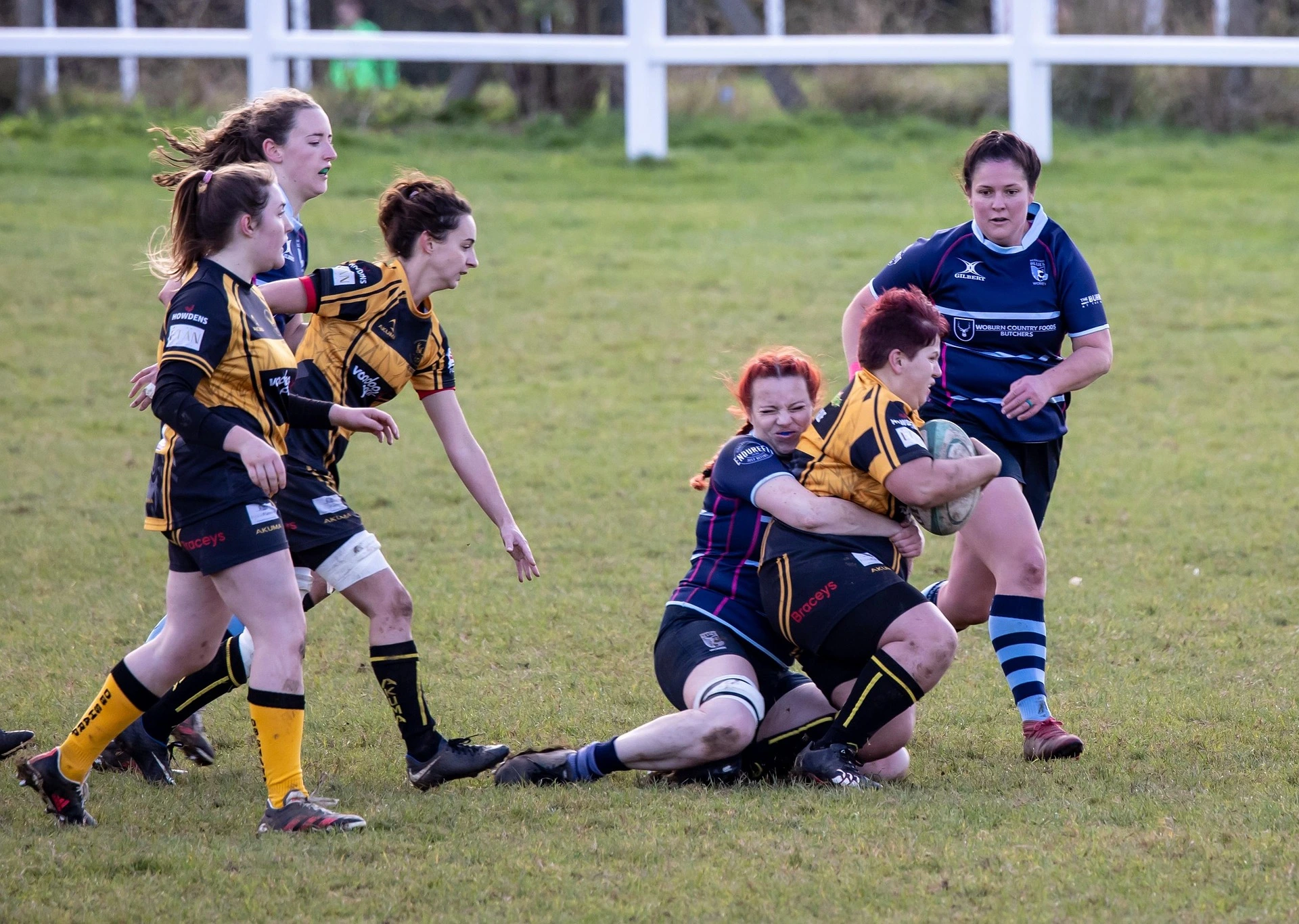
A rugby shirt built specifically for your team does more than complete a roster — it builds identity. When every player takes the field in a matching, well-fitted kit, it creates a shared sense of belonging that carries into how the team performs together. Custom team rugby jerseys outfits also make it easier for fans, officials, and opposing teams to identify players quickly, which matters in larger tournaments where several teams are competing at once.
Beyond team spirit, a distinctive design helps establish a club’s brand identity, attract sponsors, and build a following among supporters. Personalized rugby shirt options — player names, squad numbers, and individual touches — let each athlete feel valued as an individual while remaining part of a unified squad.
Fabric and Construction: What Actually Holds Up in Contact Play
Rugby punishes uniforms in a way few other sports do, so fabric choice is arguably the most consequential decision in any order. The two dominant fabric constructions for rugby custom jerseys are 100% polyester and polyester-spandex blends.
100% polyester delivers durability, structure, and color retention across repeated wash cycles, making it the standard choice for traditional-fit jerseys at most club levels. Polyester-spandex blends add four-way stretch and a closer athletic fit, favored for backs and sevens squads where range of motion matters more than grip resistance.
Some clubs still ask about custom cotton rugby jerseys for social or training wear — cotton feels soft and familiar, but it holds moisture and loses shape faster than performance fabrics, which is why most match-day jerseys have moved away from it in favor of moisture-wicking polyester blends.
Fabric weight, measured in GSM (grams per square metre), should match the position and climate:
- 130-160gsm — lightweight, suited to sevens and warm-climate backs jerseys
- 180-200gsm — the standard club-level weight, durable enough for forwards and comfortable enough for backs
- 220-260gsm — heavier construction for forwards and high-contact positions
- 280gsm — pro-grade fabric, often paired with reinforced grip panels
Sublimation, Embroidery, and Custom Embroidered Rugby Shirts
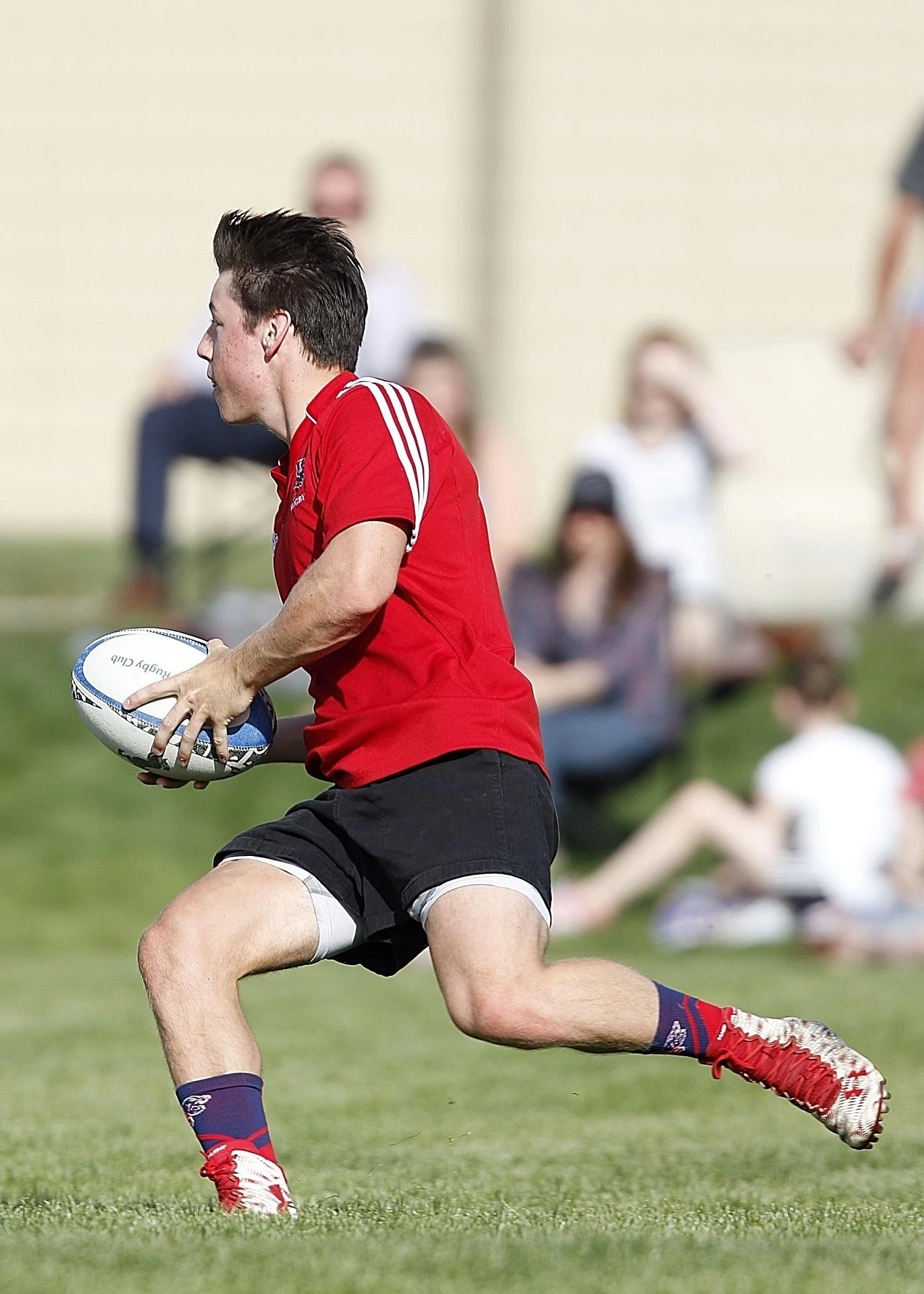
Sublimation printing bonds dye directly into the fabric fibers using heat, meaning the design becomes part of the shirt itself rather than sitting on top of it. This is the standard for match jerseys because it supports unlimited colors, gradients, and detailed sponsor graphics without cracking, peeling, or adding weight.
Embroidery still has its place, particularly for custom embroidered rugby shirts used as training wear, club polos, or supporter apparel, where a raised, premium-looking crest or badge suits the garment better than a full sublimated print. Many clubs use both — sublimated match jerseys paired with embroidered training and travel gear for a cohesive overall look.
Designing Your Rugby Jersey
Getting from a blank page to a finished rugby jersey design is easier when broken into clear steps:
- 1. Choose your colors. Colors are central to team identity — pick combinations that are easily distinguishable on the field and that hold up under different lighting conditions, from bright afternoon sun to floodlit evening matches.
- 2. Incorporate logos and branding. Your club crest should be prominently placed, balanced against any sponsor logos so the overall design stays cohesive rather than cluttered.
- 3. Select fonts and numbers. Choose a legible font sized for visibility from a distance, with strong contrast between the number and the jersey background so quick identification is possible during fast-paced play.
- 4. Choose your fit. Pro-fit (tighter, athletic cut) suits backs and sevens squads who need maximum mobility, while a standard, more relaxed fit is often preferred for forwards who need room to move through contact.
- 5. Confirm your grip and reinforcement needs. Forwards — props, hookers, locks — benefit from reinforced collar stitching and optional grip panels on the chest and forearm, which help resist an opponent’s grip during scrums and mauls.
Whether you’re building a rugby jumper mens design for the senior squad or a rugby shirt women kit for a women’s side, the same fundamentals apply — the fit and reinforcement details should be adjusted for the position group and level of contact, not just scaled from one template.
Finding the Best Places for Custom Rugby Team Uniforms
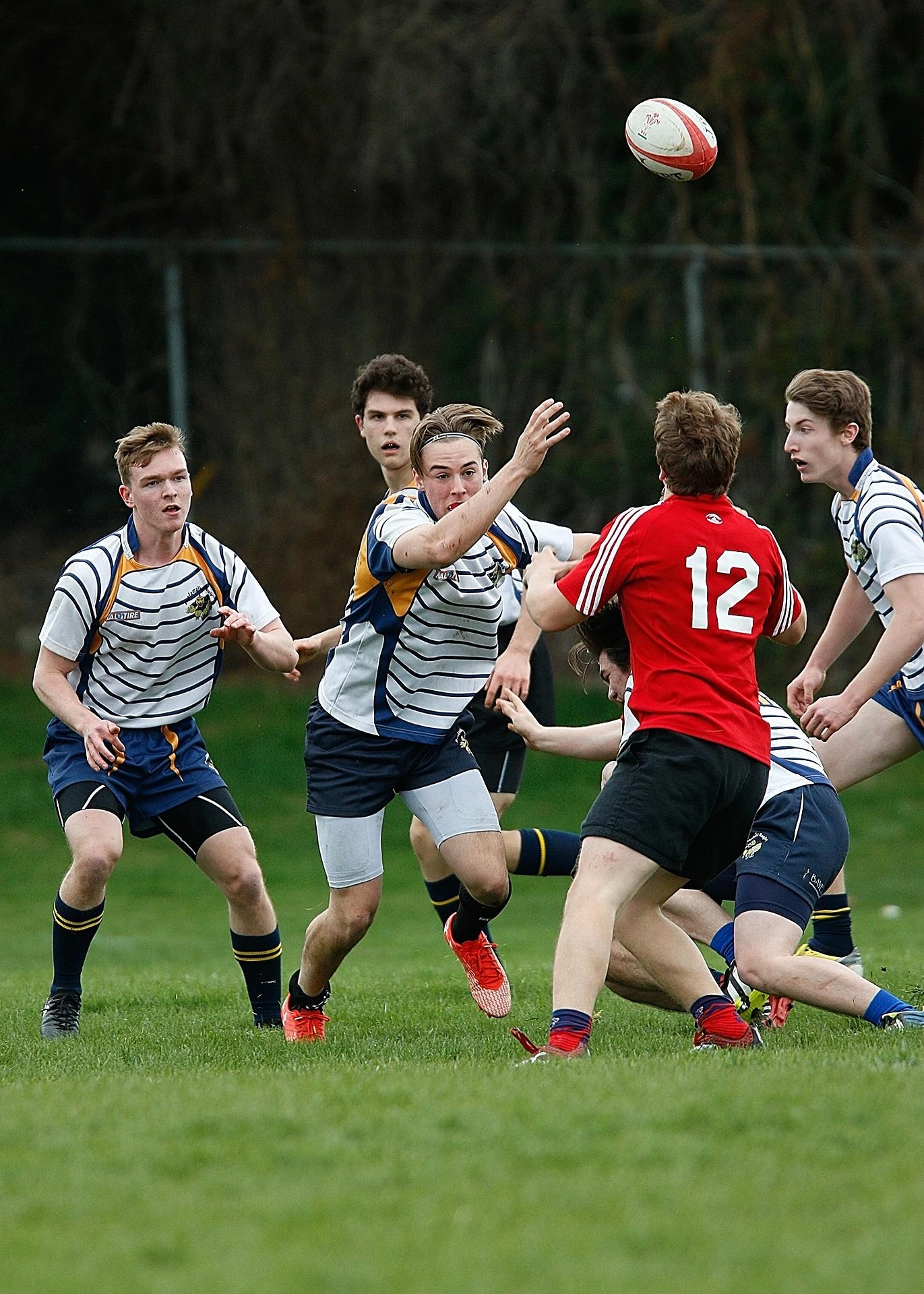
Not every supplier is equipped to handle a full team order well, so it’s worth being deliberate about who you choose. When researching the best places for custom rugby team uniforms, look for:
- Customisation capabilities — full-sublimation printing or heat-transfer options for complex graphics, multiple colors, player names and numbers, and sponsor logos.
- Turnaround time and minimum orders — confirm lead times and minimum-order requirements against your season schedule.
- One-stop-shop convenience — a supplier who can provide jerseys, shorts, socks, and training gear in a single coordinated order saves time and keeps the whole kit consistent.
- Reputation and support — look for reviews, sample production photos, and responsive customer service for sizing questions and design revisions.
Working with custom rugby clothing manufacturers who handle production in-house — rather than outsourcing to a third party — generally means better quality control and more consistent results across a bulk order. A direct rugby jersey manufacturer can also usually offer more accurate lead times, since they’re not relying on a subcontractor’s schedule.
Custom Rugby Jerseys USA and International Sourcing
Clubs looking for custom rugby jerseys USA suppliers, as well as those in the UK, Australia, and beyond, will find that most reputable manufacturers now ship internationally. If you’re sourcing from overseas, build extra time into your schedule for freight and customs clearance on top of standard production time — a rushed international order is one of the most common causes of late kit delivery.
Sizing: Men’s, Women’s, and Youth
Correct sizing is one of the most common places rugby kit orders go wrong. A women’s cut isn’t simply a smaller men’s pattern — differences in shoulder width, chest shaping, and overall garment length mean sizing should be treated separately for men’s, women’s, and youth ranges.
Before placing a bulk order for custom team rugby jerseys outfits, collect actual chest, shoulder, and body-length measurements from every player rather than relying on guesses. It’s also worth adding a 10-15% overage to your order to cover mid-season additions, injuries, or damaged kit — reordering a small batch later is far more expensive and slower than adding a few extra units to the original run.
Placing Your Order: A Realistic Timeline
Ordering custom rugby kits is not a two-week task. A realistic production timeline for a full team order — from brief to delivery — typically runs 8-12 weeks, especially when international shipping is involved.
- Brief and design — compile your squad size run, logo files, color references, and design direction. Most manufacturers return an initial design proof within a few business days.
- Design approval and revision — review the proof with your club committee or captain, requesting changes until the design is right.
- Bulk production — standard production typically takes four to six weeks once the design is approved.
- Quality control and shipping — finished kit is inspected before dispatch, with international shipping adding one to two weeks depending on freight method.
- Buffer — always build in extra time for revision loops or shipping delays.
Final Thoughts
Investing in a well-designed rugby kit is a foundational step for any club or school looking to build a strong identity and genuine team spirit. From selecting the right fabric weight and fit to choosing a manufacturer who understands the demands of contact play, every decision in the process contributes to a custom rugby jersey design that holds up on the field and looks sharp doing it.
Ready to design your squad’s next kit? Start with a clear brief, a trusted supplier, and a design your players will be proud to wear from the first scrum to the final whistle.