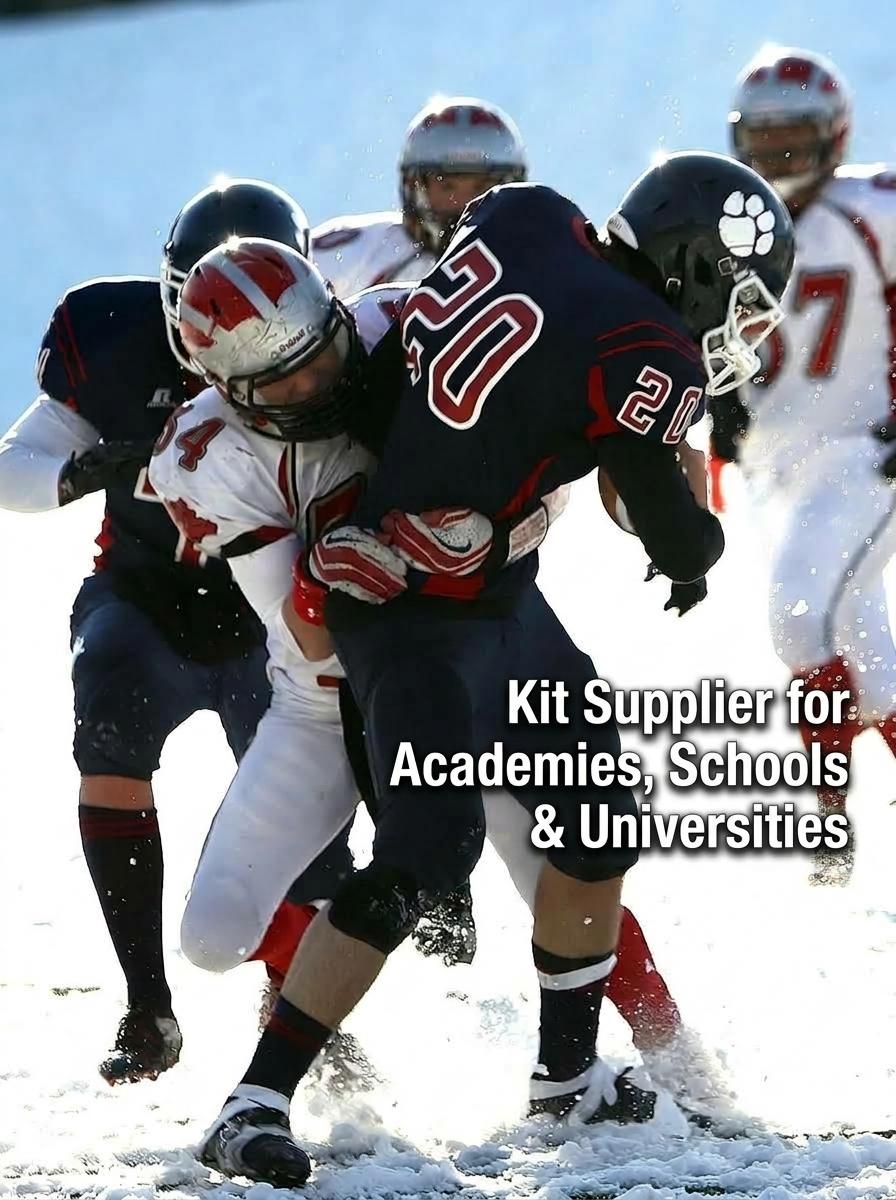
Dressing a school, academy or university team involves outfitting several age groups at once, keeping the design consistent for years, answering to parents and bursars, and hitting a term date that will not move. Choosing the right kit supplier for academies, schools and universities decides whether that goes smoothly or turns into a cycle of late deliveries, wrong sizes and faded crests.
In this blog, we will cover what to ask before ordering, how fabrics and customization compare, how pricing really works, and how to plan backwards from your start date.
A good kit supplier offers low minimum orders per design, graded sizing from youth to adult, stored artwork and Pantone references for reorders, clear production timelines and a written defect guarantee.
What Academies, Schools and Universities Actually Need?
A school, an academy and a university all buy “kit,” but they are solving different problems. Knowing which one you are shopping for makes it much easier to brief a supplier and compare quotes fairly.
Schools
They need durable daily wear. A head of PE is dressing whole year groups, so the priority is kit that survives frequent washing: PE polos, tees, shorts or shorts, hoodies and tracksuits, usually in house colours with an embroided crest.
Academies
They need performance and consistency. Football, cricket or basketball academies order match kit, training wear, tracksuits and coach wear, often across several age groups under one identity.
Universities
They need breadth. An athletic union may dress a dozen squads at once, so the real goal is one crest, one colourway and one sponsor applied across every sport, with each sport treated as its own design.
| Garment | Typical Use | Common Fabric and Weight |
| PE polo | Daily lessons, house colours | Polyester pique, 160-200 GSM |
| PE tee, shorts, skort | Lessons, athletics, cross-country | Polyester interlock, 140-180 GSM |
| Match shirt | Fixtures, tournaments | Interlock or mesh, 140-180 GSM |
| Tracksuit, quarter-zip | Travel, warm-up, touchline | Performance fleece, 240-300 GSM |
| Hoodie, joggers | Leavers, squads, coaches | Cotton-polyester fleece, 280-350 GSM |
Why Daily Wear and Match Kit Need Different Fabrics
Daily kit is washed several times a week and worn for hours, so it needs stable, hard-wearing fabric that holds it shape and colour. Match kit is worn less often but works harder in the moment, so it needs lightweight, moisture-wicking fabric that keeps players cool.
Using one fabric for both usually means a compromise: either uncomfortable match shirts or daily kit that wear out within a term.
7 Questions to Ask Any Kit Supplier Before You Order
A polished mockup tells you nothing about how a supplier behaves when an order goes wrong. These seven questions separate suppliers who can handle a school or academy from those who cannot. Ask them before you pay for a sample.
What is Your Minimum Order, and is it Per Design or Per Size?
Many suppliers count minimums per size, which makes mixed youth and adult runs expensive. The best answer is a minimum per design, so every size of one artwork counts toward the same total. Ask what happens if you need fewer pieces for a small squad.
Do You Manufacture In-House or Outsource?
In-house production means one party controls cutting, sewing, printing and embroidery, so faults are easier to trace and fix. Outsourced work adds middlemen, longer timelines and finger-pointing when something is wrong.
Can You Mix Youth and Adult Sizes in One Run?
Your PE department and senior squad should not need separate orders. Ask whether the pattern is graded for each size, so the crest and panels sit in the same place on a youth small as on an adult large.
Do You Keep Artwork, Pantone References and Size Charts on File?
This decides whether next year’s reorder matches this year’s kit. Ask how colour is matched between runs, and whether minor dye-lot variations is something they explain upfront. A supplier who admits tolerance exists is more trustworthy than one who promises perfection.
What Are Your Sampling and Production Timelines?
Get dates, not “a few weeks.” Ask for the time from mockup approval to bulk production, whether an express option exists, and how long shipping takes to your country.
What Happens if There is a Defect?
Look for a written guarantee covering print faults, stitching faults, wrong sizes against the approved specification and wrong quantities. Ask how quickly you must report an issue and how quickly the remake goes into production.
Can I Get a Size Set to Try on First?
A set with one of each size lets you measure children and adults before committing to a large order. Ask whether the sample cost is credited against bulk. Many schools keep the set as a permanent try-on kit for future intakes.
Choosing Fabrics and Decoration
Fabric and decoration decide how your kit looks after its fiftieth wash, not just its first day. They right pairing depends on the garment, how often it is worn and how complex your crest or design is.
| Method | Best for | Durability | Design Freedom | Cost Driver |
| Embroidery | Polos, fleece, jackets, caps, bags | Thread holds its shade; raised finish | Crests and text; limited fine detail | Stitch count |
| Sublimation | 100% polyester tees, match kit, socks | Dye sits inside the fibre, so it does not fade, crack or peel | All-over patterns, gradients, unlimited colours, names and numbers | Print area, not colour count |
| Screen Print | Cotton-rich hoodies, one-colour house tees | Good, but can crack over time | Best with few flat colours | Number of colours |
| DTF | Cotton blends, small runs, detailed artwork | Good with correct curing | Full colour, fine detail | Transfer size |
Our Recommendations
- Polos, tracksuits and fleece – Emrbroidery: A stitched crest looks premium, survives repeated laundering and keeps the same physical size across every garment size.
- Match shirts and PE tees – Sublimation: Because the colour is part of the fabric, the design cannot peel, and you can add stripes, sponsor panels and player numbers in the same print.
- Cotton-rich hoodies and leavers’ wear – Screen Print or DTF: Sublimation does not work on cotton, so these methods are the practical choice.
How Pricing Works
Most suppliers hide their prices until you send a brief, which makes comparing quotes difficult. Understanding what drives the number lets you ask for like-for-like quotations and spot where you can save.
| Cost Driver | Effect on your Quote |
| Pieces Per Design | The biggest factor. Unit cost falls as the quantity of one design rises. |
| Fabric and Weight | Heavier fleece costs more per piece than lightweight interlock. |
| Decoration Method | Embroidery follows stitch count, sublimation follows print area, DTF follows transfer size. |
| Personalisation | Names and numbers in a sublimated print add little. Heat-applied names on polos are priced per piece. |
| Packaging | Individually bagged, size-labelled pieces take extra handling. |
| Freight | Courier is faster but costs more. Sea freight suits large orders when your date allows. |
The Cheapest Way to Cut Your Budget
Consolidate designs. Five house polos in five separate designs sit in five small quantity tiers. One polo with house-coloured tipping sits in one large tier and usually costs noticeably less per piece. Fewer designs in larger runs is the most reliable saving.
How to Compare Quotes Fairly?
Ask every supplier to quote the same fabric weight, decoration method, packaging and delivery terms. A cheap quote often hides a lighter GSM, a smaller crest or freight billed separately.
Timelines: Planning Backwards from Term Start
Kit orders rarely fail in the factory. They fail because the brief went out too late or the size list was still incomplete a month before term. Working backwards from your delivery date removes most of that risk.
| Stage | Typical Time | Who Acts |
| Brief: crests, colours, garment list, deadline | Day 0 | You |
| Digital mockup | Within 24 hours | Supplier |
| Revisions and approval | As long as you need | Both |
| Sample or size set (optional) | 5-7 days plus courier | Supplier |
| Bulk production | 15-25 business days | Supplier |
| Courier delivery | 5-10 days; sea freight 3-6 weeks | Supplier |
The Rule of Thumb
Send your brief 7-8 weeks before you need the kit on standard production. If you are already inside that window, express production can bring the total down to roughly two to three weeks, at additional cost.
Sizing, Names and Safeguarding
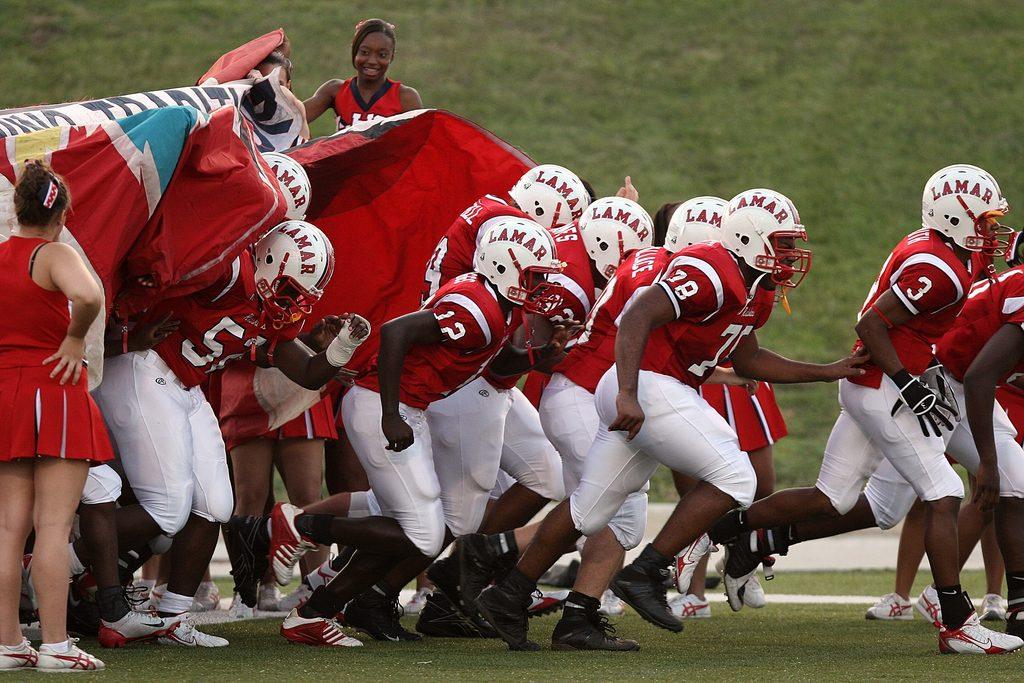
Getting sizes and names right is where a smooth order turns into a headache or a success. Three decisions matter most.
Graded Sizing Across Every Age Group
Ask whether your supplier grades each pattern properly or simply shrinks the artwork. On well-graded kit, the crest, stripes and sponsor panels are repositioned for every size, so they sit in the same place on a youth small as on an adult large. Standard ranges usually run from youth sizes up to adult 5XL, with separate women’s cuts. If your school already has its own measurements, ask for a custom size chart.
Names, Initials and Safeguarding
Personalisation is optional, and many safeguarding policies discourage a child’s full name on the outside of a garment. Common alternatives:
- Initials or a squad number on the outside
- A plain outer with the name on an inside label or size tag
- Full names only for senior squads, where your policy allows
Confirm your institution’s rule before the mockup is drawn, so the design matches from the start.
One Order, One List, One Delivery
Parent-funded kit still works best as a single institutional order. You collect sizes and names on one list, send it to the supplier and receive one consignment to hand out. Keeping the list under one person’s control also makes next year’s reorder far more accurate.
Reorders Without Colour Drift
A crest that looks slightly different from last year’s is the kind of detail a bursar or parent notices immediately. Whether a reorder matches depends on what your supplier keeps on record, not on how well they remember your order.
Be Honest About Dye-Lot Tolerance
Sublimated polyester is printed to the same Pantone reference each time, but minor shade variation between dye lots is normal across the industry. Embroidery thread is matched by shade number, so a crest stitched in year one should sit beside one from year three without a visible step. A supplier who explains this upfront is more trustworthy than one who promises identical results
Top-Ups for Late Joiners
New signings and late arrivals are a fact of life. Because the design already exists, a good supplier will accept top-ups below the usual minimum. Many academies place one large order before the season and a smaller top-up after the first month, once the late joiners are known.
Conclusion
The right kit supplier makes dressing a school, academy or university simple: low minimums per design, graded sizing from youth to adult, stored artwork for reorders and a clear timeline backed by a defect guarantee. Ask the seven questions, plan backwards from your start date, and shortlist with confidence.
Frequently Asked Questions
Send your crest or logo as a vector file (AI, EPS or PDF), though a clear photo works too and can be redrawn. Add your colours as Pantone references or a photo of your existing kit, plus a garment list, deadline and delivery address. The more complete the brief, the faster the first mockup.
They count only if they wear the same garment and artwork as the players. Coach wear is usually a different garment, such as a quarter-zip or polo, so it counts as a separate design with its own minimum. Planning staff kit around the same garment as a squad item can help you reach the minimum.
Yes. You can use your own woven label or the supplier’s, plus size tags. Pieces can be bagged individually by size or packed loose. Individual bagging makes hand-out much easier when kit arrives for several year groups.
Yes. Most academy and school suppliers also make kit bags, backpacks, caps and socks, so the whole squad can match. Bags are typically made from 600D polyester or 420D nylon, and socks are knitted with sublimated designs. Ordering everything together keeps your colours consistent.
Yes. On sublimated kit, sponsor panels are printed as part of the design, so they won’t crack or peel. The mockup shows exactly where each logo sits, and the position stays consistent from youth small to adult 5XL. Send the sponsor’s vector logo and any brand colour requirements with your brief.
Many suppliers waive the minimum for registered sportswear brands and companies. If your academy or university sells kit under its own brand, ask about this policy when you request your quote.